Manuka Leaf Extract is not just antibacterial — it’s calming and balancing.
This is particularly important for rosacea, which is often linked to :
Microbial imbalance
Chronic low-grade inflammation
Why Manuka Leaf Extract Helps
Calms visible redness
Supports a balanced skin microbiome
Reduces inflammation without stripping the skin
Used consistently, it helps create an environment where skin can finally settle.
Why These Ingredients Work Better Together
Rosacea is rarely caused by one issue.
It’s usually a combination of :
Barrier dysfunction
Inflammation
Environmental stress
Poor ingredient tolerance
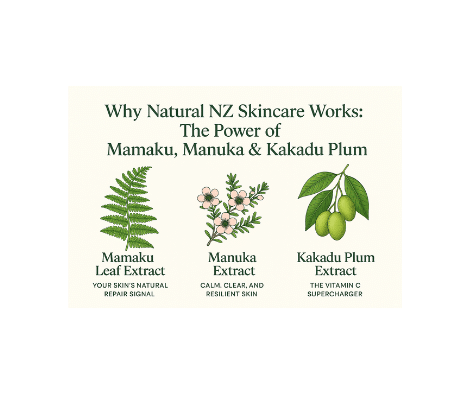
Kakadu Plum, Mamaku, and Manuka Leaf Extract address all three — without overloading the skin.
This is why gentle, multi-functional botanicals often outperform harsh “actives” for sensitive conditions.
What to Avoid If You Have Rosacea or Sensitive Skin
If you’re prone to flare-ups, be cautious with products containing :
Ascorbic Acid (L-Ascorbic Acid)
High alcohol content
Fragrance-heavy formulations
Aggressive exfoliating acids
More isn’t better. Consistency and tolerance are.
Choosing Skincare for Rosacea-Prone Skin
Look for products that :
Support the skin barrier
Avoid aggressive pH manipulation
Use naturally stabilised actives
Focus on calming before correcting
This approach doesn’t just reduce flare-ups — it improves skin resilience over time.
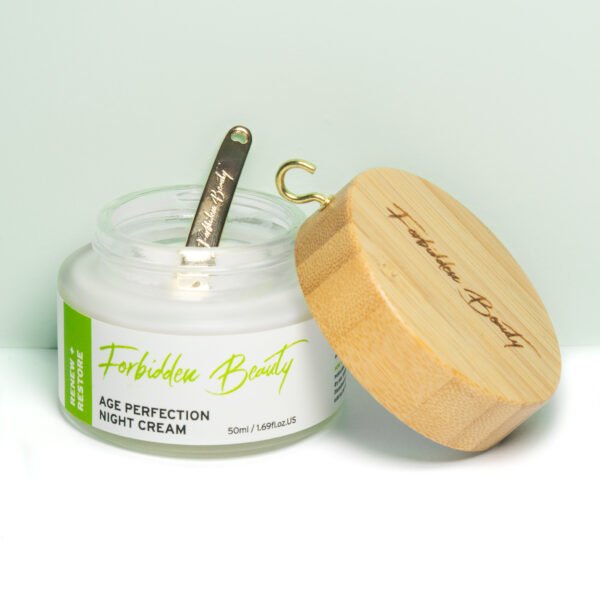
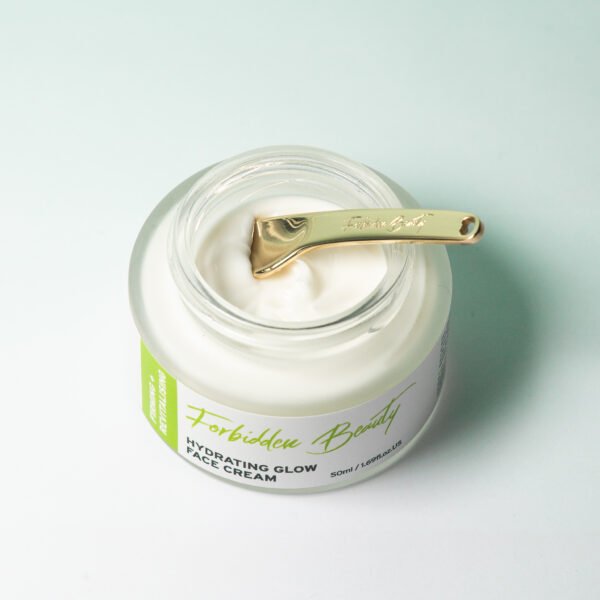
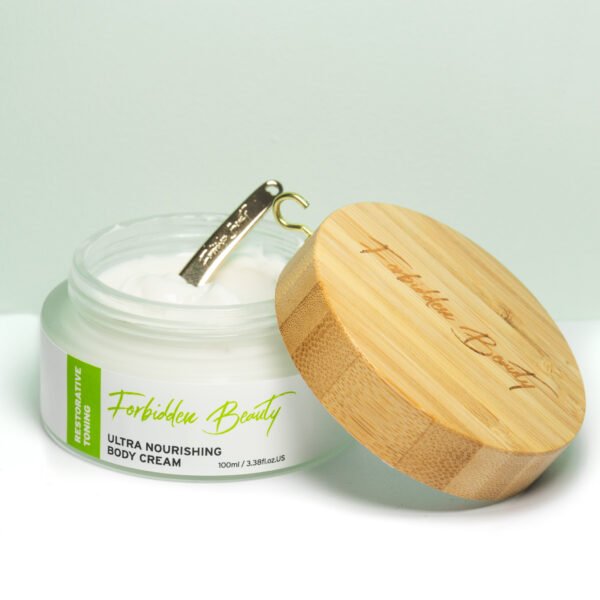
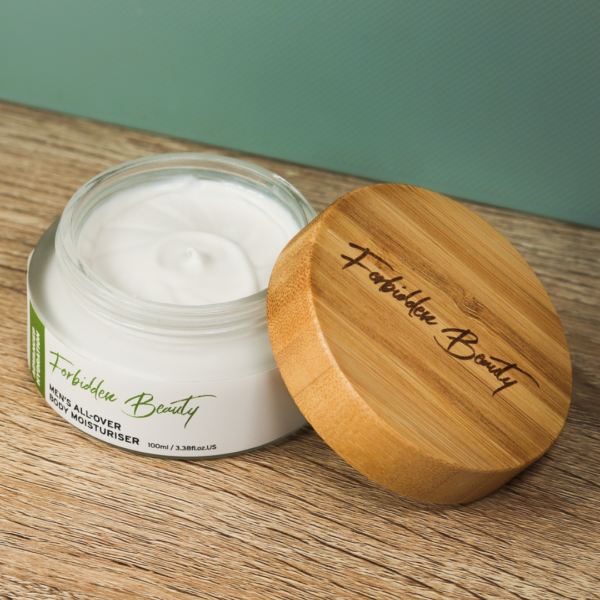
All the Forbidden Beauty SkinCare products contain Kakadu Plum Extract and Manuka Leaf Extract. Additionally, our Age Perfection Night Cream contains Mamaku Extract, which helps complete a very powerful nighttime healing formulation.
We strongly recommend that you learn to understand the ingredients label of any skincare products you use, or intend to buy. This ‘Read Your Labels’ article will also help to make you aware of the many potential harmful ingredients that are included in some very common commercial skincare products.
Comparison Table : Vitamin C for Rosacea & Sensitive Skin
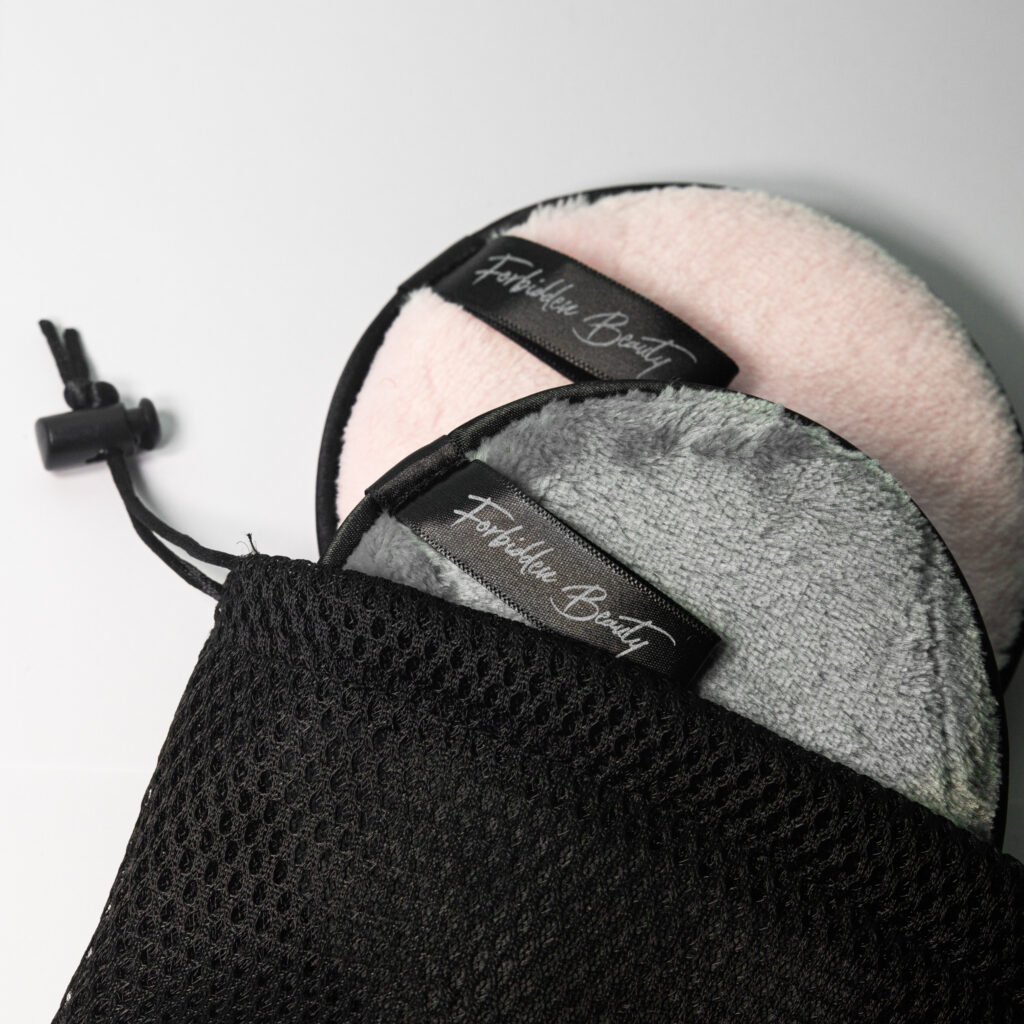
Why Reusable Makeup Remover Pads Are Better for Your Skin, Your Routine, and the Planet Makeup removal is one of the most underestimated steps in any skincare routine. Get it
Rosacea and Sensitive Skin : Why Ingredient Choice Matters Rosacea and sensitive skin aren’t rare conditions. They’re just commonly misunderstood. Redness, flushing, stinging, burning, dryness, and sudden reactions are often
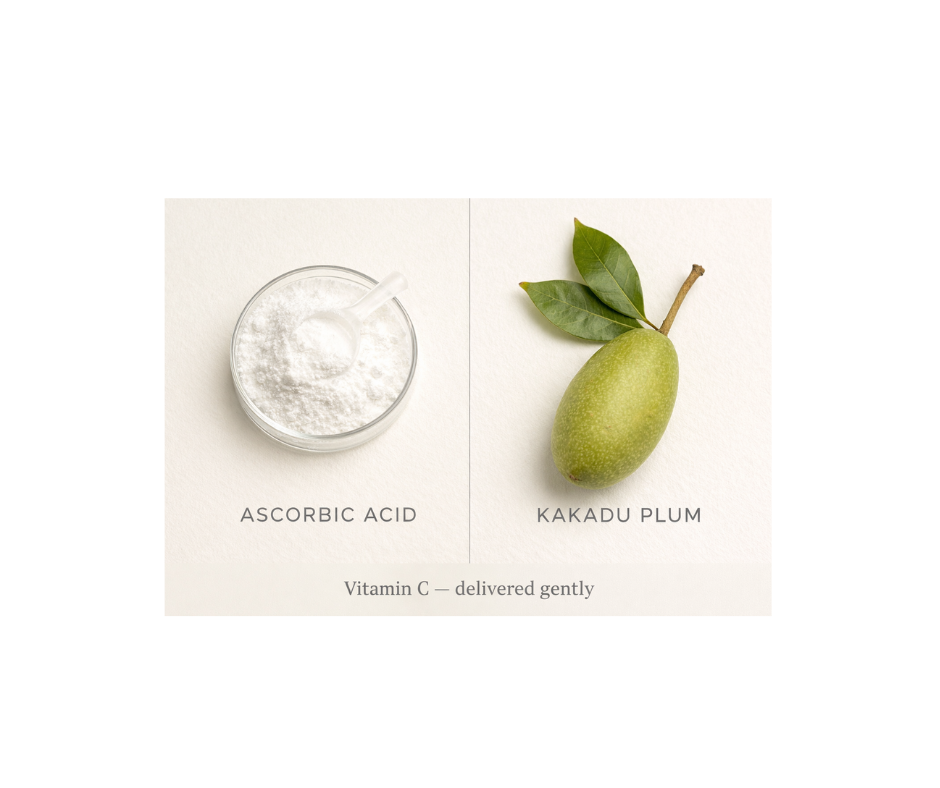
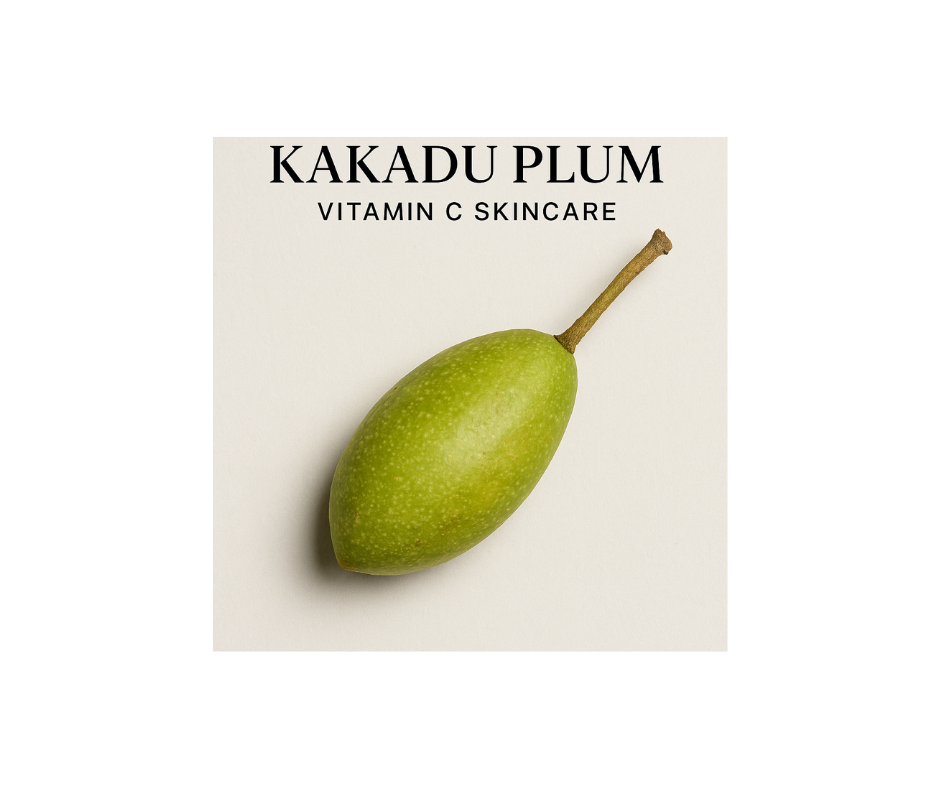
Why Kakadu Plum Extract Is A Better Vitamin C For Your Skin Than Ascorbic Acid Vitamin C is one of the most talked-about skincare ingredients, and there’s several good reasons
New Zealand is known for clean air, untouched forests, and exotic plant ingredients that punch far above their weight. That’s why natural NZ skincare has become a global standout —
High Quality Moisturiser Hemp Oil and Products New Zealand
Melissa Feldman
7 months ago
OMG - So cute. So far so good - Finally a beauty company that brands and packages beauty products in a way that women want. I am beyond excited to try all the products that come in the Totally Forbidden set, but I can tell they are quality.
read moreread less
Sarah Winstanley
2 months ago
I have been using the Exfoliating Mitts for over a month now and have absolutely no complaints. They are the perfect roughness, when I wet the mitt. Great to have 2 mitts, by the way, and I love how it has a tag so I can hang them to dry.
read moreread less
PDF 2
2 months ago
test second pdf review
read moreread less
PDF 1
2 months ago
test first pdf
read moreread less
Melanie Davidson
2 months ago
The Gua Sha Facial Massage Set far surpasses anything I have used before. Being double-sided (a small and large roller) makes all the difference. Sure quality product and the stone sculpts perfectly too. One extra awesome touch is having the instructions on the case - so helpful for me.
read moreread less
Di Stevenson
3 months ago
The Hydrating Glow Face Cream is just that. My skin glows! I suffer from rosacea and this has miraculously cleared it for me. After trying hundreds of dollars of expensive creams I can now rely on this cream and it is now part of my beauty routine. Thanks Forbidden Beauty for putting such wonderful natural ingredients in your gorgeous products. xx
read moreread less
Rachel Deveroux
7 months ago
Totally HAPPY 8-) As the name suggests this is the TOTAL HAPPY beauty and SkinCare package. I was well impressed with everything I got. The 3 moisturiser products will work wonders for nourishing my skin + the beauty products are all such quality I am beyond excited.
read moreread less
Linda Barrington
1 year ago
Even exceeded my HIGH expectations I work in cosmetic medicine and thus get to try a lot of high-end skincare products. Yours is up there with the best.
I researched your business and story before I tried them, and to be honest, was surprised at the quality. They are hands-down the best product I have tried in a long time.
read moreread less
Poppy Bradley
1 year ago
Forbidden Beauty’s hydrating glow cream is amazing! So smooth when applied and doesn’t go greasy! It’s made my skin feel great and it’s actually lessened my acne! The exfoliation mitt is great too! Leaves my skin so smooth! The makeup remover pads are also GREAT. They feel so much nicer than cotton rounds, leave me feeling clean and are machine washable! 100% recommend
read moreread less
The Definitive man's guide to buying beauty gifts for her
How to create that wow factor that will get you in her good books!

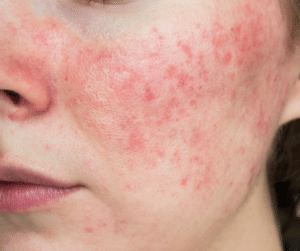 Rosacea and Sensitive Skin : Why Ingredient Choice Matters
 A Smarter Approach : Plant-Based, Barrier-Respecting Actives
 Kakadu Plum Extract : Vitamin C Without the Burn
 Mamaku Leaf Extract : Calming, Hydrating, Barrier-Supporting
 Manuka Leaf Extract : Anti-Inflammatory and Balancing